Reference photos are a valuable resource for landscape painters, offering inspiration, guidance, and a visual reference to create stunning artworks. Whether you’re a beginner or an experienced artist, incorporating reference photos into your painting practice can bring your landscape compositions to life. In this blog post, we will explore effective techniques and tips on how to use reference photos to enhance your landscape paintings.
1. Finding the Right Reference Photo
Start by selecting a reference photo that aligns with your artistic vision and the landscape you want to paint.
Look for images that capture the essence, mood, and atmosphere you wish to convey. Consider using your own photographs or exploring online resources that offer high-quality landscape images.
2. Studying the Reference Photo
Take the time to study and analyze the reference photo before you begin painting. Observe the elements of the landscape such as mountains, trees, water bodies, and the sky. Pay attention to the lighting conditions, shadows, and the interplay of colors. This analysis will help you understand the composition and guide your painting process.
3. Simplifying and Composing
Landscape photos can be complex, so it’s important to simplify and compose the scene for your painting. Identify the main focal point and consider removing or adjusting any elements that distract from it. Experiment with cropping the photo or rearranging elements to create a stronger composition that aligns with your artistic vision.
4. Understanding Color and Value
Reference photos provide valuable insights into the color relationships and values of the landscape. Observe how colors change in different lighting conditions and atmospheric effects. Analyze the values to create depth and contrast in your painting. Consider using a color wheel or value scale to help match and recreate the colors and values accurately.
5. Adding Personal Interpretation
While reference photos provide a starting point, it’s important to add your personal touch and artistic interpretation to your landscape painting. Don’t feel limited to replicating the photo exactly. Experiment with colors, brushwork, and textures to create a unique and expressive artwork that reflects your style and vision.
6. Emphasizing Light and Atmosphere
One of the essential aspects of landscape painting is capturing the play of light and the atmospheric effects. Study how the reference photo captures these elements and use techniques like glazing, layering, and brushwork to convey the sense of light and atmosphere in your painting. Pay attention to the direction of light, shadows, and the quality of different lighting conditions.
7. Building Your Visual Library
As you work with reference photos, create a collection or visual library of inspiring landscape images. Organize them based on themes, locations, or artistic techniques. This library will serve as a valuable resource for future paintings, providing inspiration and reference material whenever you need it.
8. Sketching and Planning
Before starting your painting, make a preliminary sketch based on the reference photo. This sketch will help you plan the composition, placement of major elements, and proportions. It will also allow you to make any necessary adjustments or changes before transferring the image onto the canvas.
9. Using Multiple References
Don’t limit yourself to a single reference photo. Sometimes, combining elements from multiple photos can create a more compelling composition. For example, you might use one photo for the main subject and another for the background or surrounding elements. This allows you to create a unique and personalized artwork.
10. Capturing Natural Textures
Reference photos are excellent resources for observing and capturing the textures found in the landscape. Pay attention to the textures of rocks, foliage, water, or other natural elements. Use various painting techniques, such as dry brush, glazing, or impasto, to recreate these textures in your artwork, adding depth and tactile quality to your landscape.
11. Experimenting with Colors
While reference photos provide a starting point for color choices, don’t be afraid to experiment and deviate from reality. Use your artistic intuition to enhance or adjust the colors in your painting. You may choose to intensify the hues, mute them, or even explore a limited color palette to create a specific mood or atmosphere in your landscape.
12. Incorporating Personal Experiences
Reference photos can evoke memories or emotions related to a specific landscape. Consider incorporating your personal experiences and emotional connection to the subject into your painting. This infusion of personal narrative and connection can bring an added layer of depth and authenticity to your artwork.
13. Dynamic Brushwork and Expressive Marks
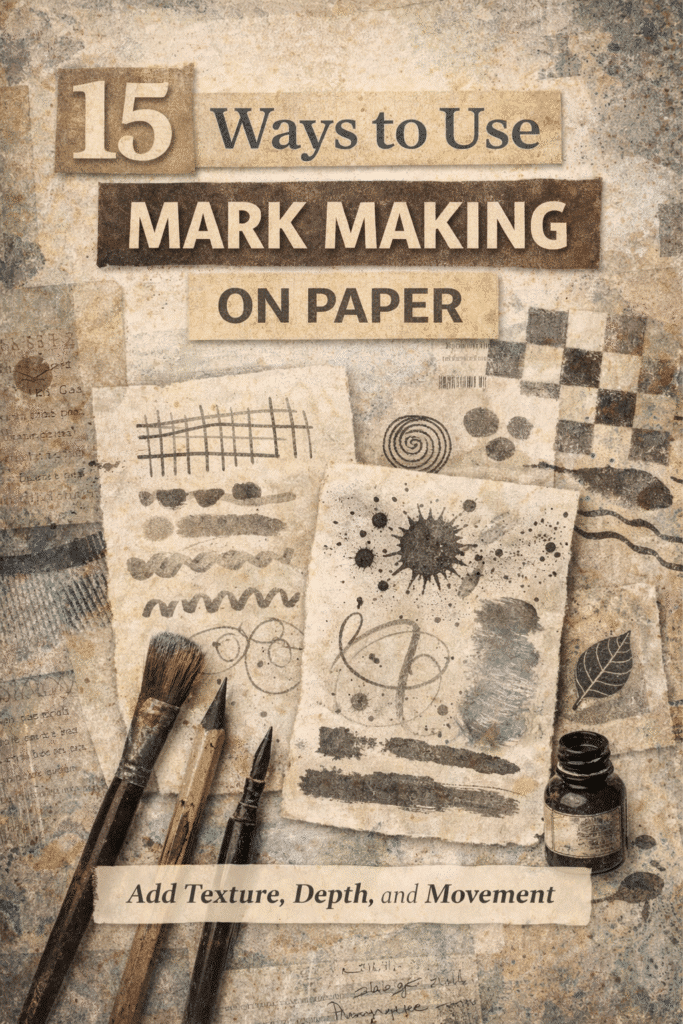
Use reference photos as a starting point to explore dynamic brushwork and expressive marks in your landscape paintings. Allow yourself the freedom to loosen up and experiment with brushstrokes that convey movement, energy, and the organic nature of the landscape. This expressive approach can add a sense of vitality and liveliness to your artwork.
14. Abstract Interpretations
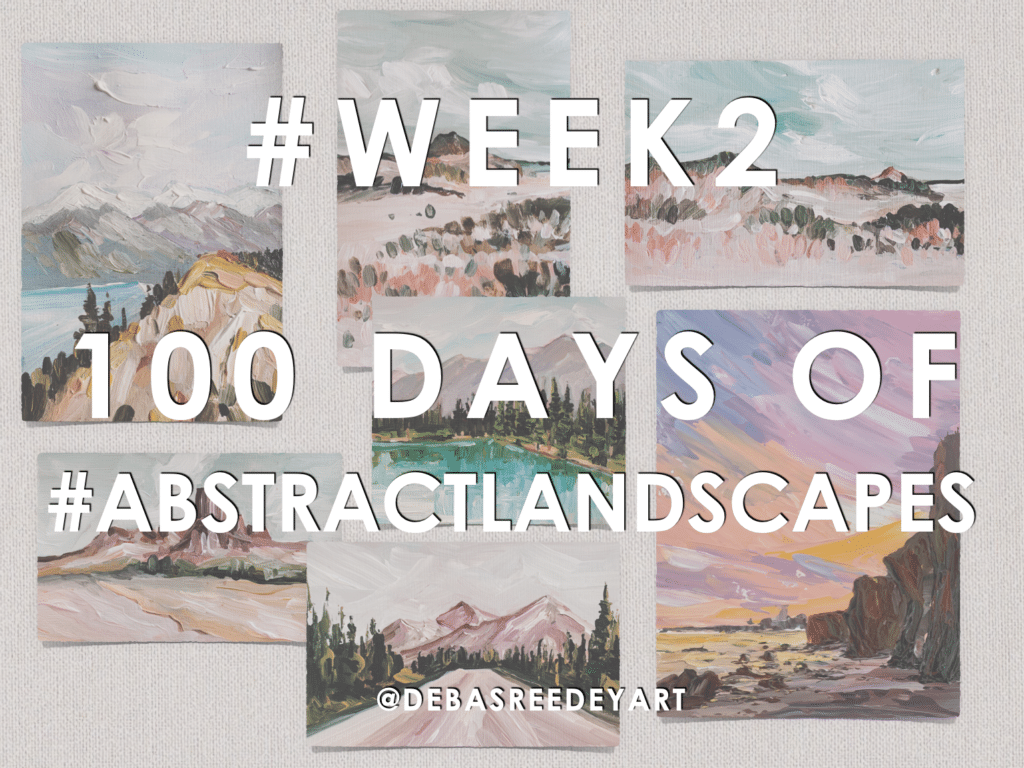
Reference photos don’t have to dictate every detail of your painting. They can serve as a starting point for more abstract interpretations. Use the reference photo as a loose guide, allowing yourself to explore and experiment with expressive brushwork, bold colors, and imaginative interpretations.
15. Continuous Learning and Growth
Utilizing reference photos is a continuous learning process. As you progress, challenge yourself to work with more complex or challenging reference photos. Push the boundaries of your skills and techniques to expand your artistic capabilities. Embrace the opportunity to learn from each painting and refine your ability to interpret reference photos in unique and innovative ways.