ALL BLOGS

How to use reference photos for landscape paintings? 15 essential tips for artists

Reference photos are a valuable resource for landscape painters, offering inspiration, guidance, and a visual reference to create stunning artworks. Whether you’re a beginner or an experienced artist, incorporating reference photos into your painting practice can bring your landscape compositions to life. In this blog post, we will explore effective techniques and tips on how to use reference photos to enhance your landscape paintings.

How to use reference photos for landscape paintings? 15 essential tips for artists Read More »

The Power of a Single Focus

Have you ever noticed that when you give your mind one clear problem to solve, it somehow finds a way to do it?
That’s not magic — that’s how the mind naturally works.

When our attention is scattered across too many ideas, goals, and worries, we start feeling confused, anxious, and stuck. But when we focus on one direction, everything starts to move in that direction — quietly, steadily, and sometimes, even effortlessly.

The Power of a Single Focus Read More »

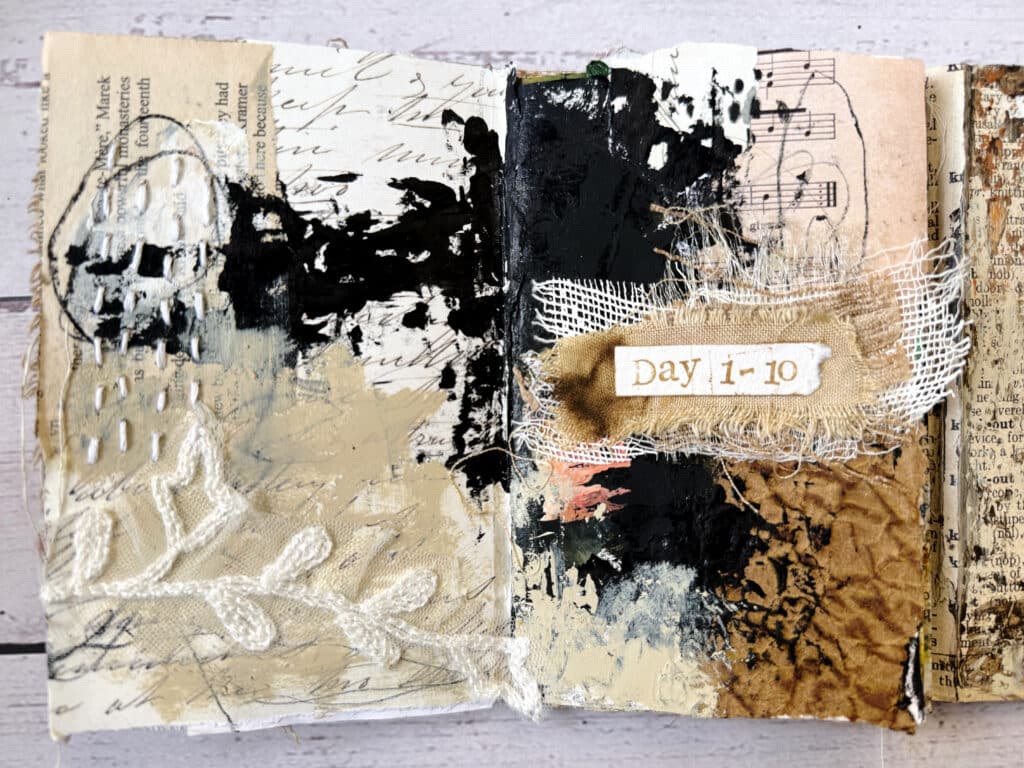
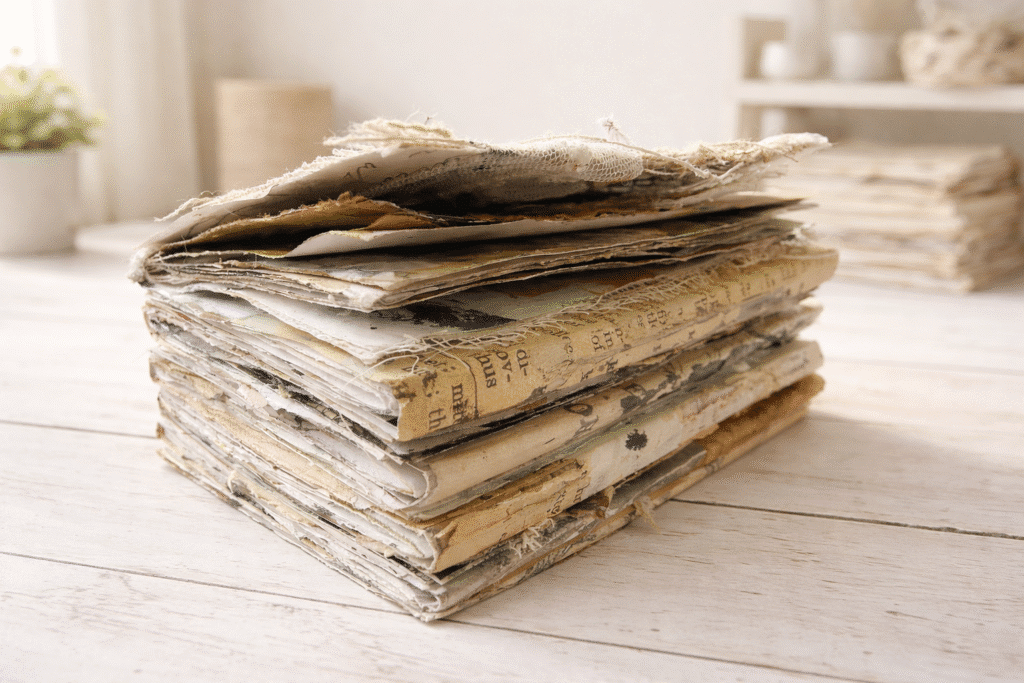
My Textured Plaster Art Journal: A Raw, Grungy Book Filled With Possibility

Have a bunch of old cardboard boxes lying around? Instead of tossing them in the recycling bin, why not turn them into something beautiful and functional? In this blog, I’ll walk you through how I transformed a plain food packaging box into a grungy, vintage-style texture box—perfect for storing art clusters or mixed media scraps.

The technique is simple, budget-friendly, and packed with texture. Plus, it’s a method you can use across so many different art surfaces!

My Textured Plaster Art Journal: A Raw, Grungy Book Filled With Possibility Read More »

Coffee + Acrylics Dyeing: Experiment with Color & Texture for Mixed Media Papers

After playing with plain coffee dyeing for a while, I found myself longing for more color, but without losing the raw, vintage textures that make coffee‑stained papers so magical. Boiling onion skins for that beautiful reddish tone was lovely—but not always practical. That’s when I thought: What if I just mix a tiny bit of acrylic into the coffee solution itself?And that opened the door to a whole world of earthy, muted, moody shades.

Coffee + Acrylics Dyeing: Experiment with Color & Texture for Mixed Media Papers Read More »

Coffee Dyeing Basics for Mixed Media: 3 Simple Techniques

As I’m learning to create different mixed media collage papers, one thing I’m particularly enjoying is creating coffee dye papers.

I tried 3 types of dyeing – using coffee, tea and onion skins.

The coffee dye papers are a bit dark brown, tea dye is brownish and onion skin dye is reddish brown. I love all the 3 colors that they create on papers.

I wanted to experiment with acrylics and got some amazing results. It works with all the 3 types of dye, but I find coffee dyeing the easiest process of all – it’s as if I’m making myself a cup of coffee. So I added a little bit of green and blue with the coffee and tea mix and got some brilliant results.

Coffee Dyeing Basics for Mixed Media: 3 Simple Techniques Read More »

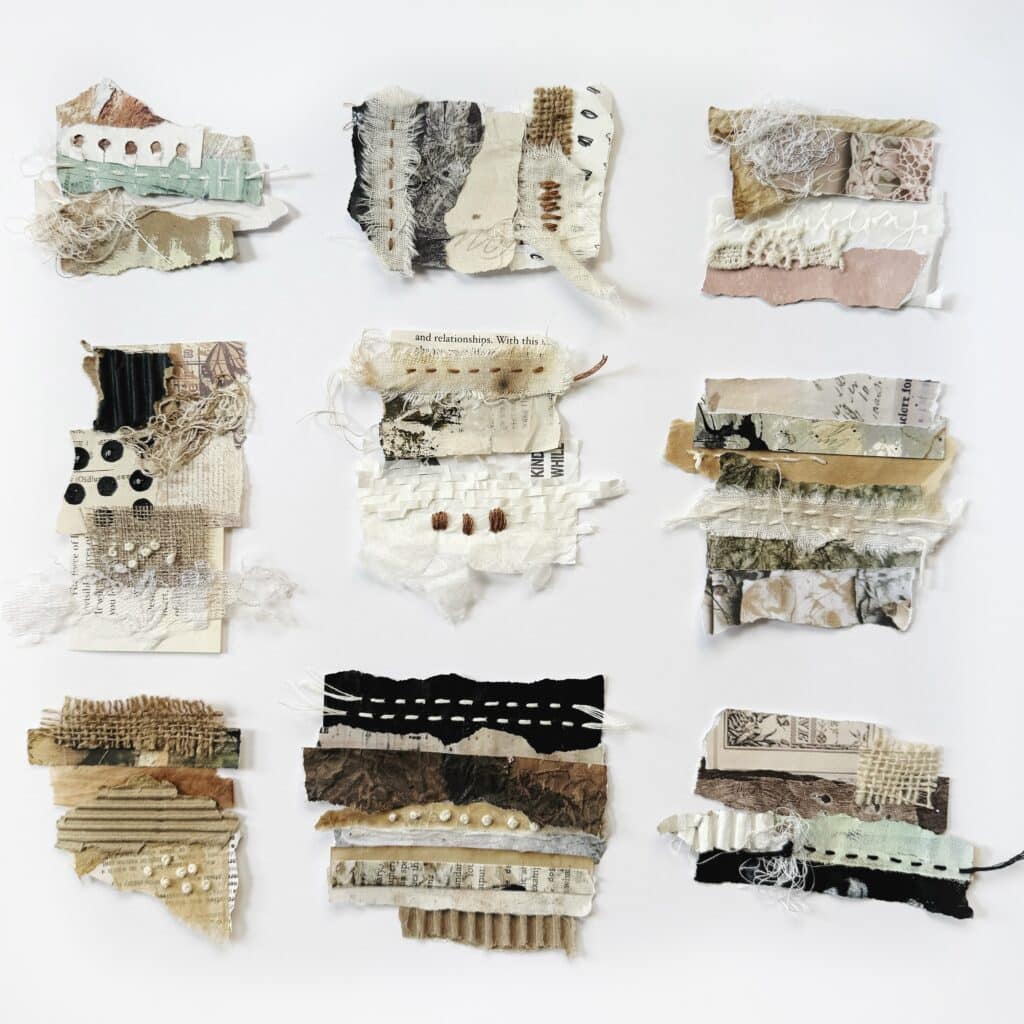
Creating mixed media collage papers using deli/butter/bakery papers

These days I’m just getting into the mixed media world and learning so much from the many mixed media artists on youtube. One of the things that I find fascinating is creating collage papers using deli/butter/bakery papers. So here I’m sharing some of my creative play ideas with deli papers.

Drip white paint on butter paper
Doodle with needle tip applicator – white
Doodle with needle tip applicator – black
Doodle on a colored background
Light colored abstract background using 2-3 colors
Dark colored abstract background using 2-3 colors
Stamps on blank / colored deli paper (add tissue paper to create faux rice paper)
Stencils on blank / colored deli paper
Thick white texture paste on deli paper using stencils

Creating mixed media collage papers using deli/butter/bakery papers Read More »

Lessons from creating ‘Ugly’ Paintings

In a world that often prizes perfection, the concept of creating intentionally “ugly” paintings may seem counterintuitive. However, this practice can offer profound insights into accepting imperfection and embracing the natural flow of life. My journey with creating “bad” paintings has led to valuable lessons about letting go of control, understanding the essence of acceptance, and finding joy in the process rather than the outcome. In this blog, I’ll explore how this exercise has transformed my perspective on art and life, helping me to navigate the messiness of both with a newfound sense of ease and freedom.

Lessons from creating ‘Ugly’ Paintings Read More »

30 different types of lines in art

Lines are the elemental strokes that artists use to create forms, shapes, and textures in their works. They are fundamental elements in art, serving as the building blocks of composition and expression.

Each type of line can convey a unique emotion or concept, enriching the visual language of an artwork. In the world of art, lines are not just simple marks; they are dynamic tools that carry multiple meanings and intentions.

In this post, we explore 30 different types of lines, from the elegance of calligraphic lines to the spontaneity of gesture lines, each contributing to the artist’s narrative. Understanding these lines will enhance your artistic practice and allow you to communicate more effectively through your work.

30 different types of lines in art Read More »

Scroll to Top